
Tactical Belts vs Regular Belts: What’s the Difference?
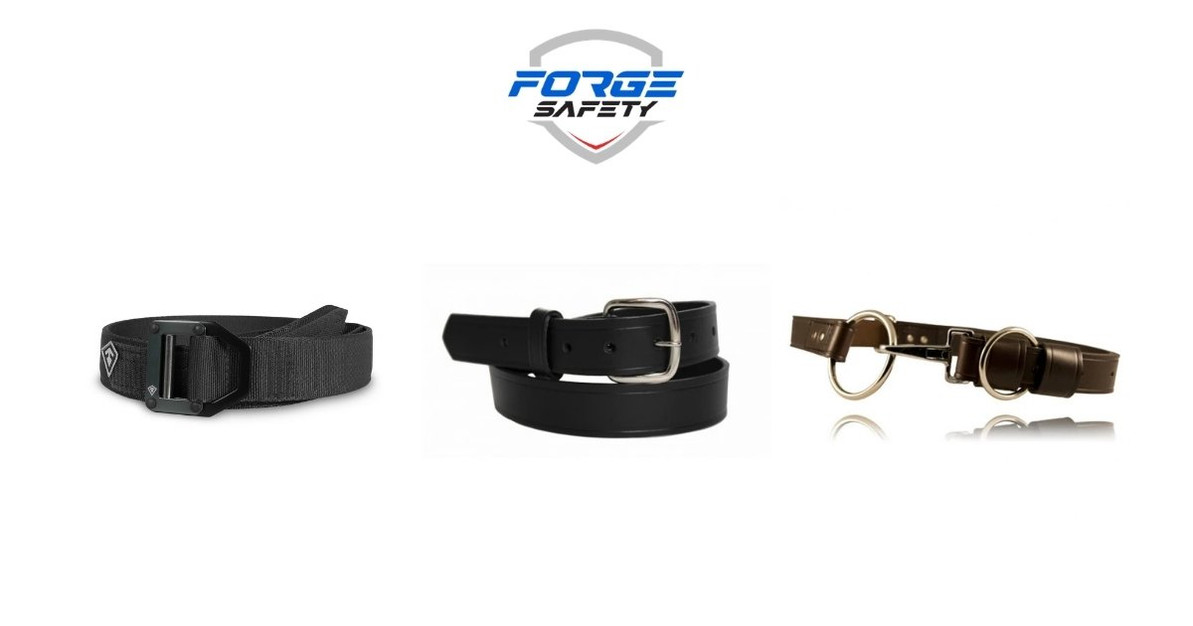
When choosing a belt for everyday wear or work, the difference between a tactical belt vs regular belt comes down to far more than style. A regular belt is built mainly to hold up pants, while a tactical belt is designed to carry weight, stay secure, and perform under demanding conditions.
What a Regular Belt Is Designed For
A regular belt is made for everyday clothing, whether that means jeans, chinos, or formal wear. Its main job is simple: keep your pants in place and complement your outfit. Because of that, regular belts usually prioritize appearance, comfort, and flexibility over load-bearing strength.
Most regular belts use standard leather, faux leather, canvas, or woven materials. They work well for light use, but they are not intended to support gear, tools, or accessories that create constant pull on the waistband. If you try to carry heavy items on a regular belt, it can start to sag, twist, or wear out faster.
What Makes a Tactical Belt Different
A tactical belt is built for function first. It uses reinforced materials such as heavy-duty nylon or polyester, stronger stitching, and sturdier hardware so it can handle extra weight without losing shape. That’s why it is often described as the best load bearing belt for jobs and activities that require equipment to carry.
Unlike a fashion belt, a tactical belt is meant to stay stable under stress. Many versions are designed to support holsters, pouches, flashlights, handcuffs, radios, or other gear without bending or sagging. That stability is one of the biggest tactical belt benefits for professionals and outdoor users.
Tactical Belt vs Regular Belt: Core Differences
|
Feature |
Tactical Belt |
Regular Belt |
|
Main purpose |
Carry gear and provide secure support |
Hold up pants and complete an outfit |
|
Materials |
Reinforced nylon, polyester, or heavy-duty leather |
Leather, faux leather, canvas, or woven fabric |
|
Load support |
Designed for heavier gear and equipment |
Not designed for substantial load-bearing |
|
Structure |
Stiffer, stronger, and more durable |
Softer, lighter, and more style-focused |
|
Buckles |
Often quick-release or heavy-duty buckles |
Standard fashion buckles |
|
Best use |
Work, duty, tactical, outdoor, and utility tasks |
Casual, business, and formal wear |
The clearest way to think about the difference is this: a regular belt is an accessory, while a tactical belt is a piece of working equipment. That distinction matters a lot if the user needs reliability instead of just appearance.
Why Load-Bearing Matters
The biggest advantage of a tactical belt is its ability to carry weight without collapsing. That is especially important for people who need to attach gear that must stay accessible and secure during movement. When a belt flexes too much, holsters shift, pouches bounce, and the whole setup becomes less comfortable.
For law enforcement, security professionals, and other uniformed workers, this is more than convenience. Duty belts for law enforcement are expected to hold mission-critical equipment like a holster, radio, handcuffs, baton, flashlight, and pepper spray, often for long shifts. A belt that cannot support that weight safely creates practical problems fast.
Tactical Belt Benefits for Daily and Professional Use
Tactical belts are not only for police or military users. They are also useful for anyone who wants a stronger, more dependable belt for work, travel, or outdoor activities. The extra structure gives them an edge in situations where a regular belt would feel too weak or too casual.
Here are some of the most useful tactical belt benefits:
- Better support for tools and gear.
- Less sagging under weight.
- Improved durability for repeated use.
- Faster and more secure fastening in many designs.
- More stability during movement, bending, or long wear.
For buyers who want one belt that performs well under pressure, this makes tactical models a practical investment rather than just a style choice.
Who Should Choose a Tactical Belt
A tactical belt makes the most sense for people who carry gear regularly. That includes law enforcement officers, security staff, military personnel, tradespeople, hikers, hunters, and outdoor enthusiasts. It is also a smart option for someone who wants a dependable EDC belt for a phone pouch, multi-tool, or concealed carry setup.
If your belt needs to do more than hold up trousers, a tactical option is usually the better fit. The reinforced build is designed for demanding environments where comfort, retention, and strength all matter at once. In other words, the more your gear matters, the more the belt matters too.
When a Regular Belt Is the Better Choice
A regular belt still has an important place. If you dress for office wear, events, or casual outings and you are not carrying extra equipment, a regular belt is often the more comfortable and polished option. It is lighter, more understated, and usually matches everyday clothing more naturally.
It also tends to be more appropriate when mobility demands are low and appearance is the priority. For example, a leather dress belt is better for formal outfits than a stiff tactical belt, which would look out of place in that setting. The key is matching the belt to the actual use case instead of assuming one style works for everything.
How to Choose the Right Belt
When comparing a tactical belt vs regular belt, start with how you plan to use it. If you only need support for clothing, a regular belt is enough. If you need to carry gear, stabilize equipment, or handle heavy daily use, tactical is the stronger choice.
Use these questions to guide the decision:
- Will I carry tools, pouches, or a holster?
- Do I need the belt to stay stiff under pressure?
- Is durability more important than appearance?
- Will I wear it for long hours or active movement?
- Do I need a belt for duty, work, or outdoor use?
If most of your answers point toward performance, a tactical belt is likely the better buy. If your answers point toward style and light everyday wear, a regular belt makes more sense.
Features to Look For
Not all tactical belts are built the same, so it helps to check the details before buying. Reinforced webbing, strong stitching, secure buckle systems, and comfortable fit all matter in a quality belt. A good belt should feel firm without becoming overly bulky or uncomfortable.
Look for these features in particular:
- Reinforced nylon or durable leather construction.
- A buckle that locks securely and is easy to operate.
- Enough stiffness to support gear without folding.
- A width and fit that match your pants loops and carry needs.
- Comfort for extended wear, especially if the belt will be used all day.
For duty use, compatibility with inner belts or attachment systems can also be important. That is especially relevant for users building a full duty setup.
Buying Decision for Your Store
For a category page, the strongest positioning is to show tactical belts as purpose-built gear, not just tougher fashion belts. Buyers searching for a tactical belt vs regular belt are usually trying to solve a real problem: they need better support, more durability, or a cleaner way to carry equipment. That makes performance language important, but it should still feel practical and easy to understand.
A simple way to frame the product choice is this: regular belts are for everyday outfits, while tactical belts are for demanding carry needs, work environments, and professional use. That message supports both informational search intent and buyer intent without sounding overly salesy. It also helps shoppers quickly understand why a tactical belt is worth the upgrade.
Pro Tips
Choose a tactical belt if you need reliable support for tools, concealed carry, or duty gear, because that is where its reinforced build delivers the most value. Pick a regular belt if your priority is style, lightweight comfort, and simple everyday wear.
A good rule of thumb is this: if the belt has to do a job, buy tactical; if it just has to complete an outfit, regular is enough. That one decision can save you from sagging, discomfort, and premature wear.
Final Thoughts
The tactical belt vs regular belt decision is really about purpose. A regular belt is ideal for clothing support and everyday style, while a tactical belt is engineered for strength, durability, and dependable load bearing. If your lifestyle or work requires carrying gear, the tactical option offers clear tactical belt benefits and better long-term performance.
For shoppers looking at belts as a practical investment, the right choice comes down to how much support and stability they need. If the goal is to carry equipment confidently and comfortably, a tactical belt is the smarter option.
Recent Posts
-

The Expandable Baton: Your Complete Guide to the Ultimate Tactical Tool for Duty
When law enforcement officers, security professionals, and responsible civilians need a reliable, po …May 27th 2026 -

Handcuff Keys & Accessories: Types, Compatibility, and Duty Essentials
If you work in law enforcement, security, or even find yourself in a situation where understanding r …May 26th 2026 -
Body Armor Levels Explained: NIJ Ratings, Plates, Carriers, and Riot Gear
Body armor can seem confusing at first, especially when you start seeing terms like NIJ ratings, sof …May 26th 2026