
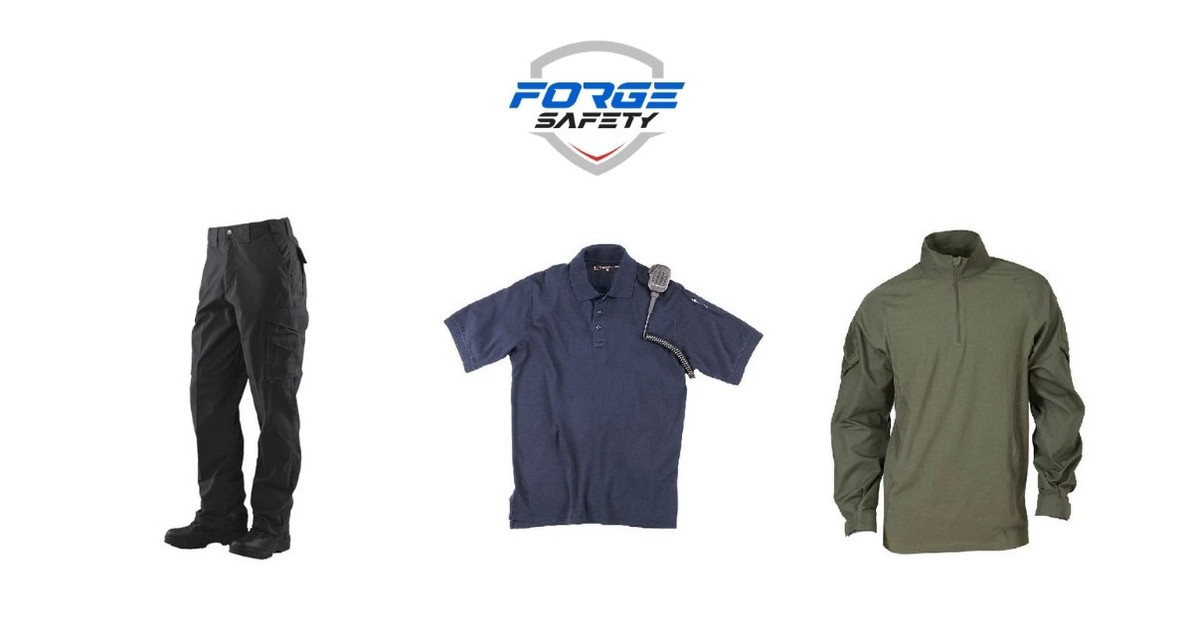
Best Tactical Clothing for Hot Weather and Cold Conditions
When you're out in the field as a law enforcement professional, the wrong gear can turn a routine patrol into a real struggle. Imagine sweating through your uniform in scorching summer heat or shivering during a winter stakeout—these aren't just discomforts; they impact your focus, mobility, and safety. That's where summer tactical clothing and reliable winter tactical gear come in. At Forge Safety Personnel, we specialize in equipping first responders with apparel that performs under pressure, no matter the season.
This guide dives deep into the best summer tactical clothing options for hot weather and essential winter tactical gear for cold conditions. We'll cover breathable fabrics, key features, and pro tips tailored for officers who need gear that lasts. Whether you're gearing up for a summer beat or winter ops, you'll find practical advice to stay mission-ready.
Why Tactical Clothing Matters for Law Enforcement in Extreme Weather
Tactical clothing isn't just about looking the part—it's engineered for functionality. For law enforcement pros, it must withstand chases, long shifts, and unpredictable elements while meeting department standards.
In hot weather, poor ventilation leads to heat stress, which the National Institute for Occupational Safety and Health (NIOSH) links to reduced cognitive function and higher injury risk. Summer tactical clothing counters this with moisture-wicking materials and strategic venting.
Flip to winter, and hypothermia becomes the threat. Winter tactical gear layers provide insulation without bulk, ensuring you maintain dexterity for holster draws or restraints.
Pro Tip: Always prioritize multi-season versatility. Look for modular systems where summer tactical clothing pieces layer under winter tactical gear for transitional weather.
Key benefits include:
- Enhanced mobility for high-stress scenarios
- Durability against abrasion and tears
- Compliance with uniform regs (e.g., NFPA standards)
- Odor resistance for extended wear
Choosing the right setup means better performance and fewer uniform replacements—saving departments time and money.
Mastering Summer Tactical Clothing: Stay Cool Under Pressure
Summer tactical clothing is a game-changer for patrols in humid climates or desert ops. The focus? Fabrics that breathe, dry fast, and block UV without weighing you down.
Essential Features of Top Summer Tactical Clothing
Modern summer tactical clothing uses advanced synthetics like nylon-poly blends with UPF 50+ ratings. These outperform cotton, which holds sweat and chafes.
- Breathability: Mesh panels and laser-cut vents promote airflow.
- Moisture Management: Wicking tech pulls sweat away, evaporating it quickly.
- Lightweight Construction: Under 10 ounces per shirt for all-day comfort.
- Reinforced Zones: Double-stitched knees and elbows for tactical demands.
Real-world example: During a summer manhunt in Texas, officers in standard polos reported 20% higher fatigue. Switching to summer tactical clothing with venting dropped that significantly.
Breathable Tactical Pants: The Foundation of Hot Weather Gear
No summer tactical clothing kit is complete without breathable tactical pants. These aren't your baggy cargos—they're slim, stretchy, and built for action.
Top picks feature:
- Four-way stretch fabric for squats and sprints
- Gusseted crotches to prevent binding
- Multiple pockets with knife clips and mag pouches
- Roll-up legs for creek crossings
|
Feature |
Standard Cargo Pants |
Breathable Tactical Pants |
|
Weight |
1.5 lbs |
0.8 lbs |
|
Breathability Score (ASTM) |
Low (cotton base) |
High (nylon mesh) |
|
Pocket Count |
6-8 |
12+ (secure flaps) |
|
Price Range |
$40-60 |
$80-120 |
|
Durability (Abrasion Test) |
Fair |
Excellent |
Breathable tactical pants from brands like 5.11 or Propper shine in field tests. Officers praise the Propper BDU variants for their lightweight feel—ideal for vehicle stops or foot pursuits in 95°F heat.
Pro Tip: Pair with low-profile boots. High-toppers trap heat; opt for vented mids with moisture-wicking liners.
Summer Tactical Shirts and Jackets for All-Day Protection
Shirts in summer tactical clothing lines roll up sleeves seamlessly and include pen pockets for reports on the go. Look for roll-neck collars to shield against sunburn.
Lightweight jackets add wind resistance without insulation. Features like pit zips and hood stows make them versatile for sudden showers.
User story: A highway patrol unit in Florida adopted vented polos. Feedback? "Feels like wearing nothing, but protects like armor."
Transitioning to Winter Tactical Gear: Layer Smart, Stay Warm
As temperatures drop, winter tactical gear takes over. The secret is layering: base, mid, and shell working in harmony.
Cold Weather Baselayers: Your First Defense Against the Chill
Cold weather baselayers wick moisture while trapping body heat. Merino wool blends rule here—antimicrobial, itch-free, and temperature-regulating.
Why merino over synthetics alone?
- Naturally odor-resistant (up to 10 days wear)
- Temp range: 20°F to 60°F
- Quick-dry even when layered
|
Baselayer Type |
Material |
Best For |
Warmth Rating (0-10) |
|
Lightweight |
Merino/Synthetic |
Mild cold (40°F+) |
6 |
|
Midweight |
Wool Blend |
Freezing patrols (20°F) |
8 |
|
Heavyweight |
Fleece-Lined |
Arctic ops (<0°F) |
10 |
Start with cold weather baselayers under your summer pieces for shoulder seasons. A Detroit PD sergeant shared how merino layers prevented frost nip during a 12-hour winter detail.
Pro Tip: Size for layering. Too tight, and you lose insulation; too loose, cold air sneaks in.
Insulated Jackets and Pants in Winter Tactical Gear
Winter tactical gear jackets boast synthetic fills like PrimaLoft—warm when wet, compressible for vehicles.
Pants reinforce with knee pads and full-length zippers for easy on/off over boots. Waterproof membranes (Gore-Tex equivalents) shed snow.
Field-tested combo: Softshell outer with fleece midlayer. Blocks 30 mph winds while allowing arm swings for traffic control.
Gloves, Hats, and Accessories for Complete Winter Coverage
Don't overlook extremities. Winter tactical gear includes touchscreen-compatible gloves with padded knuckles and beanies with neck gaiters.
Pro Tip: Use battery-heated socks or insoles for static posts—rechargeable, low-profile, and a literal lifesaver in sub-zero waits.
Head-to-Head: Summer Tactical Clothing vs. Winter Tactical Gear
Modular systems bridge seasons. Here's how they stack up:
|
Category |
Summer Tactical Clothing |
Winter Tactical Gear |
|
Primary Fabric |
Nylon/Mesh |
Wool/Fleece/Synthetic |
|
Weight Focus |
Ultralight |
Insulated but mobile |
|
Key Tech |
UV wick/dry |
Waterproof/breathable |
|
Price (Full Set) |
$200-350 |
$300-500 |
|
Maintenance |
Machine wash cold |
Wool-safe cycle |
Overlap winners: Convertible pants that zip into shorts, worn under insulated shells.
Pro Tips for Selecting and Maintaining Your Tactical Kit
- Test in Real Conditions: Sweat-test summer tactical clothing on a treadmill; freeze-test winter tactical gear overnight.
- Budget Smart: Invest in pants and base layers—they see 80% wear.
- Customize Fits: Tailor for holsters; Forge Safety offers alterations.
- Care Routine: Wash inside-out, air-dry breathable tactical pants to preserve DWR coatings.
- Sustainability Angle: Eco-merino cold weather baselayers last longer, reducing waste.
For law enforcement bulk buys, Forge Safety Personnel streamlines procurement with custom embroidery and fast shipping.
Common Mistakes to Avoid in Tactical Clothing Choices
Skipping breathable tactical pants for cheaper alternatives leads to rashes. Overlayering winter tactical gear restricts movement—aim for three thin layers over one thick.
Ignoring warranties? Top brands cover rips from duty use. Always check return policies for field fits.
FAQs on Summer Tactical Clothing and Winter Tactical Gear
Q. What's the best fabric for summer tactical clothing?
A. Nylon-spandex blends with mesh venting excel in summer tactical clothing, offering superior breathability over cotton.
Q. How do I layer cold weather baselayers effectively?
A. Base wicks, mid insulates, outer protects. Adjust based on activity—strip mid for indoor briefings.
Q. Are breathable tactical pants durable enough for daily patrols?
A. Absolutely. Ripstop weaves handle 1,000+ abrasion cycles, per MIL-STD tests.
Q. Can summer tactical clothing work in mild winter?
A. Yes, layer cold weather baselayers underneath for 30-50°F transitions.
Q. Where to buy reliable winter tactical gear?
A. Forge Safety Personnel stocks vetted options for law enforcement, with volume discounts.
Gear Up for Any Season with Confidence
Investing in quality summer tactical clothing and winter tactical gear equips you to handle extremes without compromise. From breathable tactical pants that move with you to cold weather baselayers that insulate reliably, the right kit enhances safety and efficiency.
At Forge Safety Personnel, we get it—your gear is your second skin. Explore our curated selection today and stay ahead of the weather.
Recent Posts
-
Backpack: The Ultimate Gear for Performance, Protection, and Everyday Convenience
Introduction Whether you're heading to work, the gym, traveling, or tackling an outdoor adventure, a …Jun 30th 2026 -
Understanding Optics Adapter Plates: Compatibility, Precision Manufacturing, and Reliable Performance
As red dot optics continue to grow in popularity among professional users, competitive shooters, law …Jun 30th 2026 -
Footwear: Choosing Durable, Comfortable, and Performance-Driven Boots for Every Mission
Introduction The right Footwear is one of the most important investments you can make, whether you'r …Jun 30th 2026